Water Tank Cleaning Services in Karachi
Water Tank Cleaning Services in Karachi — Safe, Hygienic & Professionally Managed
Clean water isn’t a luxury in Karachi—it’s a daily necessity. Hafi Services provides end-to-end water tank cleaning services for homes, apartments, commercial buildings, and industrial facilities across the city. From overhead plastic tanks to underground concrete reservoirs, our trained crew follows a documented SOP to remove sludge, biofilm, and contaminants, then disinfect and prepare your tank for safe refilling. You get visible results, a tidy workspace, and clear guidance on when the water is safe to use again.
Quick help? Call 0308-2030060 or book through our contact page: https://hafiservices.com/contact/. Our office is at 70-71, 3rd Floor, Habib Chamber, Main University Road, Block-14, Gulshan-e-Iqbal, Karachi—so dispatch to most neighborhoods is straightforward.
Why focus on tank hygiene in Karachi?
Intermittent supply, aging lines, and dust can push sediment and microorganisms into storage tanks. Over time, this builds a layer of slime (biofilm) and sludge that affects taste, clarity, and odor—while also stressing pumps and plumbing. Regular, methodical cleaning and measured disinfection helps keep household water safer for everyday use, protects fixtures, and reduces the risk of sudden blockages.
Fast booking, minimal disruption
We schedule around water timings and load-shedding windows to reduce downtime. For apartments and bungalows, we can coordinate with building staff for access. For offices, clinics, and schools, we offer off-hours slots so your operations aren’t interrupted. When you contact us, sharing the tank type (overhead/underground), material (plastic/concrete), and a rough capacity estimate speeds up quoting and crew prep.
Who We Serve
Our service is designed for both residences and organizations that need reliable, safety-led cleaning with clear communication from start to finish.
Residential: homes, apartments & complexes
We routinely clean overhead tanks in apartments and bungalows as well as underground reservoirs feeding multiple floors. If you’re experiencing low pressure, discoloration, or a musty smell after refills, it’s often a sign of sediment accumulation. We help household caretakers plan cleaning when water supply is expected, so refilling is smooth and downtime is limited.
For larger residential compounds in Karachi—especially those with shared underground tanks—we can coordinate with management, schedule block-wise service, and provide post-service checklists so residents know when water is ready to use.
Commercial & corporate: business-critical hygiene
We support offices, schools, clinics, restaurants, warehouses, factories, and retail sites. For clinics and food service, we emphasize safe chemical handling, measured disinfectant contact time, and post-service flushing guidance. For warehouses and factories, we plan safe access for deep tanks and maintain site safety standards to avoid downtime or safety incidents.
Real Karachi scenarios we handle
- Low-pressure refill windows that require tight scheduling.
- Shared underground reservoirs with limited manhole access.
- Overhead GRP/FRP tanks on high roofs with ladder or lift entry needs.
- Multiple small tanks across different blocks requiring batch scheduling.
Tank Types We Clean
Overhead tanks
These tanks are common in apartments and bungalows across Karachi. Typical issues include sludge on the base, biofilm on walls, and algae growth near light-exposed areas. Our team isolates the line, drains safely, scrubs surfaces to remove biofilm, and rinses thoroughly before controlled disinfection.
Because overhead tanks often feed directly into kitchens and bathrooms, we document disinfectant contact time and guide you on flushing and safe-use timing. Where possible, we minimize water wastage by using controlled rinsing and efficient extraction.
Underground tanks
Underground reservoirs collect heavier sediment and can develop stubborn deposits on floors and joints. We treat these as confined spaces—prioritizing ventilation, lighting, fall-prevention, and safe entry/exit. Mechanical scrubbing removes built-up sludge; targeted rinsing clears residue before disinfection. Manhole access, depth, and internal partitions guide crew size and equipment choice.
We never use harsh acids that can damage linings or compromise the structural integrity of concrete tanks. Instead, we rely on mechanical action, appropriate cleaning agents, and a documented disinfection step suited to potable water systems.
Materials & capacity ranges
We service plastic (HDPE), GRP/FRP, and concrete tanks of small, medium, and large capacities—from single-family overhead tanks to multi-thousand-gallon underground reservoirs serving blocks and campuses. If capacity is unknown, we can estimate from dimensions or photos during quoting.
Our 7-Step Cleaning & Disinfection Process (SOP) — Steps 1–3
Every job follows a clear, repeatable process so results are consistent and documented. Below are the first three steps; the remaining steps follow in Phase 2.
Step 1 — Inspection & safety setup
We begin with site assessment: tank type, access points, ventilation, electrical isolation of pumps, and water line shutoff. For underground tanks, we implement confined-space precautions: air testing where required, lighting, lookout/attendant, and controlled entry. We brief the property contact on estimated duration, noise, and water downtime, then secure the work area.
Photos of pre-clean conditions are taken for your records. This baseline helps you see exactly what we removed and supports maintenance planning later.
Step 2 — Drain & sludge removal
We drain residual water and extract settled sludge using appropriate pumps or vacuums. Corners, seams, and outlets are targeted to remove pockets of grit that often get missed in DIY cleaning. Proper sludge collection and disposal prevent re-contamination and keep the area tidy.
Where tanks feed gravity lines, we isolate outlets to stop backflow and ensure contaminants don’t re-enter clean sections. If needed, we temporarily cap or plug outlets during the work.
Step 3 — Mechanical scrubbing
We scrub floors and walls to break down biofilm and scale. Tools are selected for the tank material to prevent abrasion or structural damage. Agitation focuses on high-sediment zones and around inlets/outlets, where deposits typically form first.
Once mechanical cleaning is complete, we prepare the tank for controlled rinsing (covered in Step 4) to remove loosened debris and residues prior to disinfection.
Need a quick slot? Call 0308-2030060 or submit details here: https://hafiservices.com/contact/. You can mention “pani ki tanki safai / tanki cleaning service” so our team routes it correctly.
Our 7-Step Cleaning & Disinfection Process (SOP) — Steps 4–7
Step 4 — High-pressure rinse
After scrubbing, we perform a targeted rinse to remove loosened biofilm and debris without wasting water. For plastic and FRP tanks, pressure is set to a safe range to avoid surface damage; for concrete tanks, we focus on corners, seams, and the base where silt accumulates. We guide runoff toward the drain point to prevent re-depositing fine particles.
In multi-tank properties, we rinse and extract in batches so one tank can return to service sooner. Where rooftop access is tight, our team uses compact equipment and hose management to keep roofs clean and prevent overflow onto neighboring areas.
Step 5 — Disinfection
We disinfect using a potable-water-appropriate method (commonly controlled chlorination) with documented contact time. The dose is selected for the tank material and contamination level; we do not use harsh acids that can compromise linings or leave unsafe residues. For sensitive facilities (clinics, food prep areas), we coordinate timing so the contact period completes during low-usage hours.
Your crew lead notes the disinfectant type, start time, and required contact duration. This record is shared with you and forms part of your post-service report. If a non-chlorine approach is appropriate, we will discuss it in advance and document the parameters similarly.
Step 6 — Final rinse & refill readiness
Once the contact time is completed, we flush the tank and lines (as agreed) to remove residual disinfectant to safe, acceptable levels. For overhead tanks feeding kitchens and bathrooms directly, we run taps at representative points—kitchen sink, a bathroom tap—to confirm clarity and odor improvement.
We then close access panels, secure covers, and confirm that the refill path is clear. If your property has known low-pressure windows, we’ll suggest a refill schedule so the tank is ready before peak usage. A simple user note is left on-site to indicate when water is considered ready for normal use.
Step 7 — Post-service checklist, photos & housekeeping
We document “before/after” visuals and key observations (sediment level, biofilm severity, access issues) and hand them over digitally. You’ll also receive a brief checklist covering the date, tank type, disinfection method, contact time, and any recommendations (e.g., sealing a loose access cover or repairing a faulty float valve).
Our team removes waste, wipes down the work area, and ensures manholes and lids are firmly secured. For apartment complexes or schools, we can provide a summary note you can share with residents or staff explaining what was done and when the water can be used.
Hygiene & Safety Controls
Personal protective equipment & tool hygiene
All crew members work in PPE appropriate to the task: gloves, masks/respirators as needed, protective clothing, and non-slip footwear. For underground tanks, additional protections like helmets and harness points are used based on access conditions. We keep a hygiene kit on-site for hand and tool sanitization throughout the job.
Brushes, hoses, and pumps are cleaned between jobs to avoid cross-contamination, and tools designated for potable water tanks are not mixed with general cleaning gear. This separation helps maintain hygiene standards—especially critical for clinics, schools, and food service sites.
Confined-space awareness & ventilation
Underground reservoirs are treated as potential confined spaces. We plan entry/exit, set up lighting, and ensure active ventilation. A dedicated attendant remains topside during entry, and interior work follows a “buddy” approach for visibility and communication. Where applicable, we perform basic air checks before entry.
We minimize time spent inside the tank without compromising quality. If depth or interior partitions make movement difficult, we adjust crew size and use extension tools to reduce exposure and improve efficiency.
Chemical handling, dosing & discharge
Disinfectants are measured and mixed according to the manufacturer’s guidance for potable systems. We record the dose used and contact time in your service note. Chemical containers are stored away from living/food areas, and mixing is done in a controlled spot to prevent splashes or spills.
During final rinsing, we manage discharge safely and align with building protocols to avoid nuisance odors and protect surfaces. If your building has a preferred discharge point or timing (for example, avoiding busy lobby areas), let us know during booking and we’ll incorporate it into the plan.
Electrical & access safety
Pumps are isolated before work begins to prevent accidental activation, and any nearby electrical points are protected from splash. Ladders and roof access are stabilized; on high roofs, we use anchor points as available and maintain a clean, trip-free hose route. For apartment blocks, we coordinate with building staff so lift usage and rooftop access are safe and brief.
Slips and falls are a common risk around wet work areas. We deploy mats or create a dry zone for stepping in/out of access points, and we keep a watch on wind to control spray drift on rooftops and terraces.
Optional checks & maintenance reminders
On request, we can perform a quick residual-chlorine check after flushing to confirm acceptable levels before normal use. We can also note water clarity from key taps and flag any odour concerns for follow-up. These simple checks help reassure residents and staff that the process has been completed properly.
For ongoing reliability, we offer reminders at intervals that match your property type—often six to twelve months for homes and quarterly to biannual for high-use commercial sites. If your supply conditions or occupancy change, we’ll help you update the schedule so tanks don’t drift back into heavy sediment build-up.
Maintenance Plans & Recommended Frequency
Residential plans
For most Karachi households, a practical schedule is every 6–12 months. Apartments with overhead plastic tanks (especially sun-exposed) tend to show algae and biofilm sooner, while bungalows that rely on tanker refills often see heavier sediment. If you notice a musty smell, discolored water on first flow, or visible slime on the tank walls, shorten the interval. We align service with your water timing so refilling can begin promptly after we finish.
Seasonal realities matter. After major line repairs, heavy rains, or long construction works nearby, sediment spikes are common. If your building had prolonged low-pressure days or you switched from municipal supply to frequent tanker deliveries, plan a cleaning earlier than usual to prevent sludge from hardening at the base.
Commercial schedules
For clinics, schools, restaurants, and offices, we design a schedule that balances hygiene and operations. Many sites adopt a quarterly or biannual plan based on occupancy and risk tolerance. We keep a brief service record (date, tank type, disinfectant method, contact time) that you can show inspectors or management. If your site has multiple tanks, we phase the work so at least one tank remains available to minimize disruption.
We also recommend appointing a “responsible person” on your team (admin, maintenance, or floor manager) to coordinate access, pump isolation, and refill timing. This person receives our post-service note and photos so records don’t get lost between shifts.
Signs your tank needs attention now
- First-flow discoloration: brown or yellow water when taps are opened after a pause.
- Musty or earthy odour from kitchen or bathroom taps.
- Slime/biofilm visible on tank walls or floating particles after refill.
- Reduced pressure despite pumps working normally (sediment at outlets).
- Open/loose covers or signs of insects/debris entering the tank.
- Recent pipeline work (street or building) or broken mains feeding your area.
- Frequent tanker use with visible silt in delivered water.
- Staining around taps or flush tanks—often a downstream sign of sediment.
Simple caretaker checklist
- Keep lids tightly closed; use a simple latch if the cover loosens easily.
- Ask for tanker filtration where possible; reject loads with visible silt.
- Inspect manholes monthly for cracks or gaps that allow dust/insects.
- Pumps & floats: ensure float valves shut properly to prevent overflow and dilution of disinfectant during contact time.
- Log the last cleaning date and set a reminder at 6 months.
If you’re unsure about timing, send us quick photos on WhatsApp. We’ll advise whether to book now or plan a date closer to your next refill window—no obligation.
What Affects Price
Transparent variables
We don’t publish one-size-fits-all prices because every property’s setup is different. Your final quote depends on:
- Tank size & count: single overhead tank vs. multiple tanks (overhead + underground).
- Access complexity: roof height, ladder/lift needs, narrow stairwells, or tight manholes.
- Contamination level: light film vs. thick sludge or algae blooms.
- Confined-space entry: underground tanks requiring extra safety measures and attendants.
- Scheduling factors: off-hours/night work, Friday/Sunday preferences, or phased work across blocks.
- Refill coordination: aligning with tanker/line timing to reduce downtime.
- Location & parking: equipment access for high roofs or limited-parking lanes.
These variables influence crew size, equipment selection, and time on site. We’ll explain each line in plain language—so you know what you’re paying for and why.
How to get a firm, fast quote
When you call 0308-2030060 share:
- Type: overhead plastic/FRP or underground concrete (or both).
- Approx. capacity: if unknown, send length × width × height (or rough dimensions).
- Photos: lid/manhole, interior (if visible), and access path (stairs/roof).
- Area: e.g., Gulshan-e-Iqbal, North Nazimabad, Clifton, DHA, Korangi.
- Preferred timing: daytime window, off-hours, or specific off-day.
Ways to control cost—without compromising safety
- Batch tanks together: scheduling multiple tanks the same day reduces travel/setup time per tank.
- Ensure basic access: a secure ladder or roof clearance prevents delays.
- Share dimensions/photos: better info upfront means the right crew and tools the first time.
- Pre-drain if practical: where safe and permitted, pre-draining via your existing pump can shorten onsite time (we’ll guide you).
- Stick to the schedule: routine 6–12 month cleaning avoids heavy sludge that costs more to remove.
What we won’t compromise: PPE, confined-space precautions, disinfectant dosing and contact time. Cutting corners on these raises risk and often leads to repeat problems.
Why Hafi Services
Karachi-based team with rapid dispatch
We operate from Gulshan-e-Iqbal, serving neighborhoods across Karachi daily. That local presence helps with quick scheduling, familiarization with building types (from older blocks to new towers), and realistic planning around water timings and load-shedding. If you ask for same-day/next-day and our schedule allows, we’ll fit you in; otherwise we’ll offer the soonest reliable slot.
Documented SOP with photos & a simple service record
Every job follows the 7-step process described above. You receive “before/after” photos and a short record: tank type, contamination notes, disinfection method, contact time, and any maintenance pointers. For commercial sites, this note helps with internal audits and vendor verification.
Safety-first, no harsh acids, and potable-water-appropriate disinfection
We do not use harsh acids that can damage linings or leave unsafe residues. Disinfectant choice and contact time are matched to potable systems and recorded. Underground tanks are treated as potential confined spaces: controlled entry, ventilation, and an attendant topside to monitor safety.
Respect for property, time, and operations
Our crews protect surrounding areas, manage runoff, and clean up before leaving. We work off-hours for clinics, restaurants, and offices when requested. Communication stays clear and bilingual (Urdu/English), and we’re comfortable with Roman-Urdu service requests like “pani ki tanki safai” or “water tank safai service” so caretakers and residents can coordinate easily.
One partner for building hygiene
Beyond water tank cleaning, our teams also handle building hygiene services like fumigation and termite control. Many clients prefer a single, accountable provider for sanitation-sensitive tasks. If you need those services, we can plan them around your tank schedule to minimize disruption.
Service Areas — Karachi
We serve neighborhoods across Karachi with flexible scheduling and safety-first crews. Common areas include:
- Gulshan-e-Iqbal, Gulistan-e-Jauhar, Federal B. Area, North Nazimabad, North Karachi
- PECHS, Bahadurabad, KDA, Soldier Bazaar, Saddar, Garden
- Clifton, DHA, Defence View, Gizri, Bath Island
- Korangi, Landhi, Malir, Shah Faisal, Model Colony
- Shahrah-e-Faisal corridor, SITE, Industrial Areas, Port-adjacent warehouses
If your locality isn’t listed, just call us—chances are we’ve already cleaned tanks nearby. For multi-site projects (schools, clinics, apartments), we can plan area-wise batches to keep water downtime short.
All Services
Frequently Asked Questions
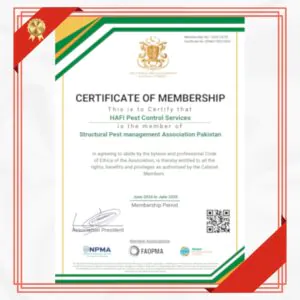
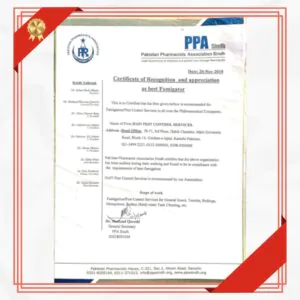
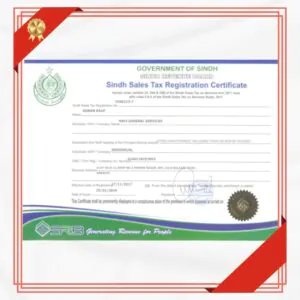
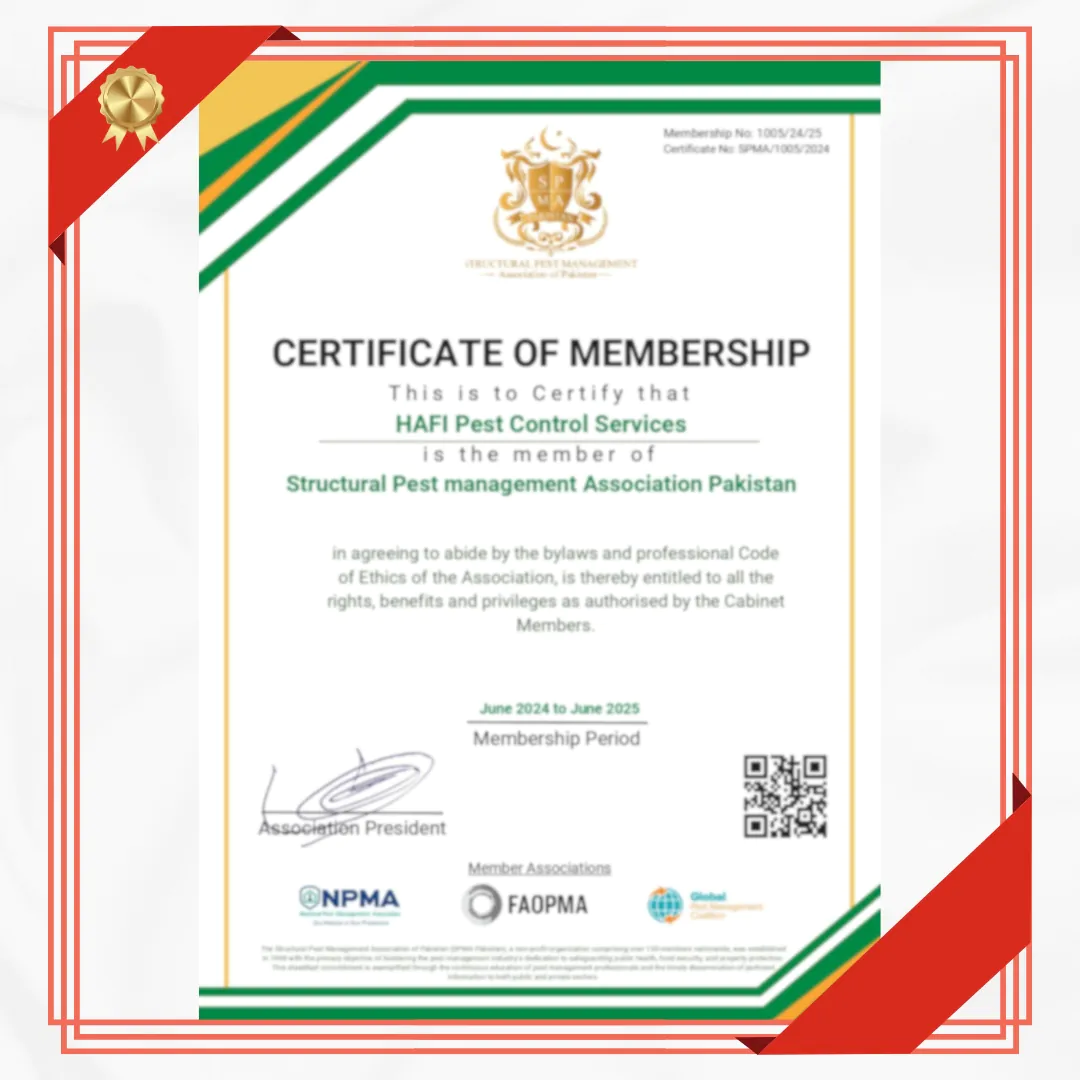
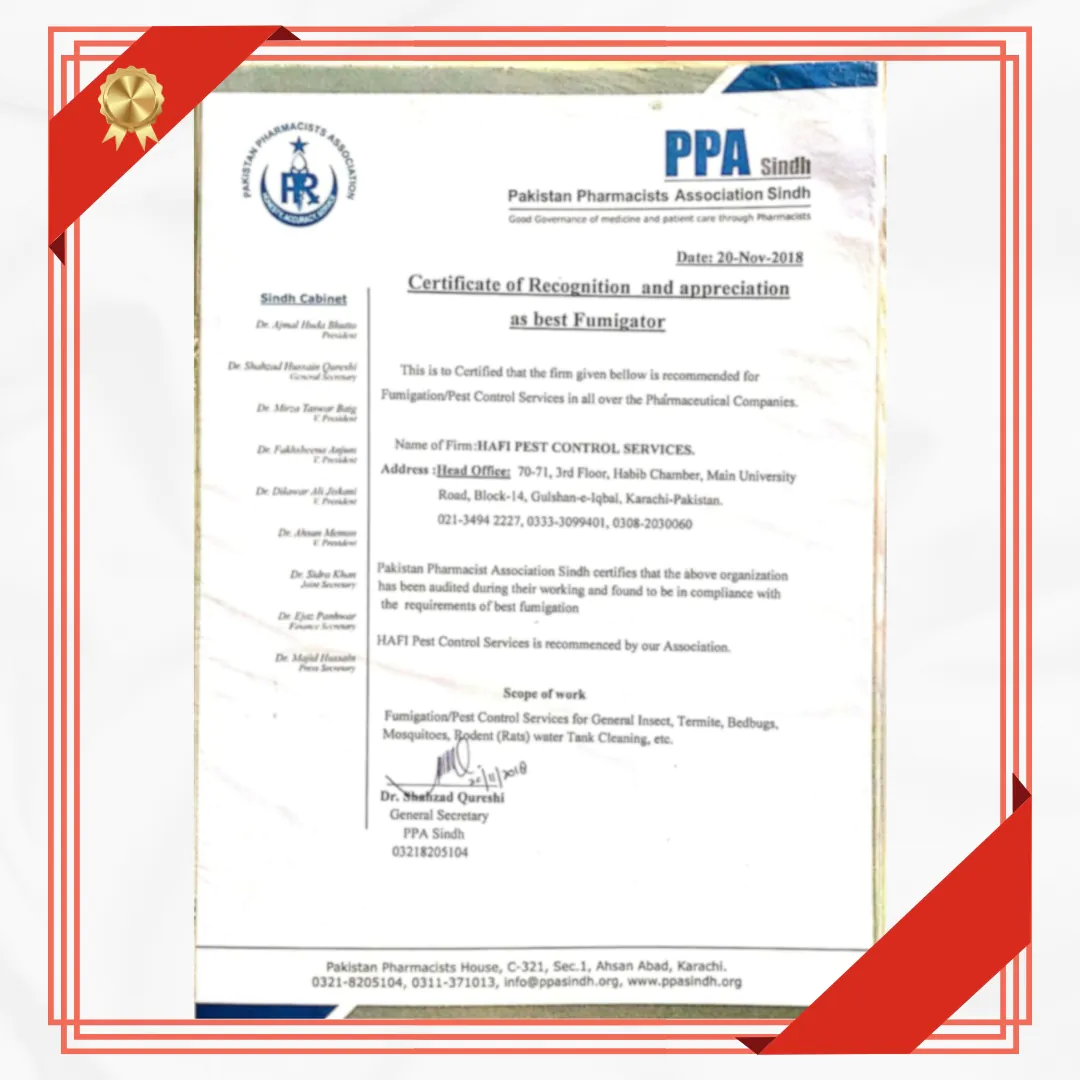
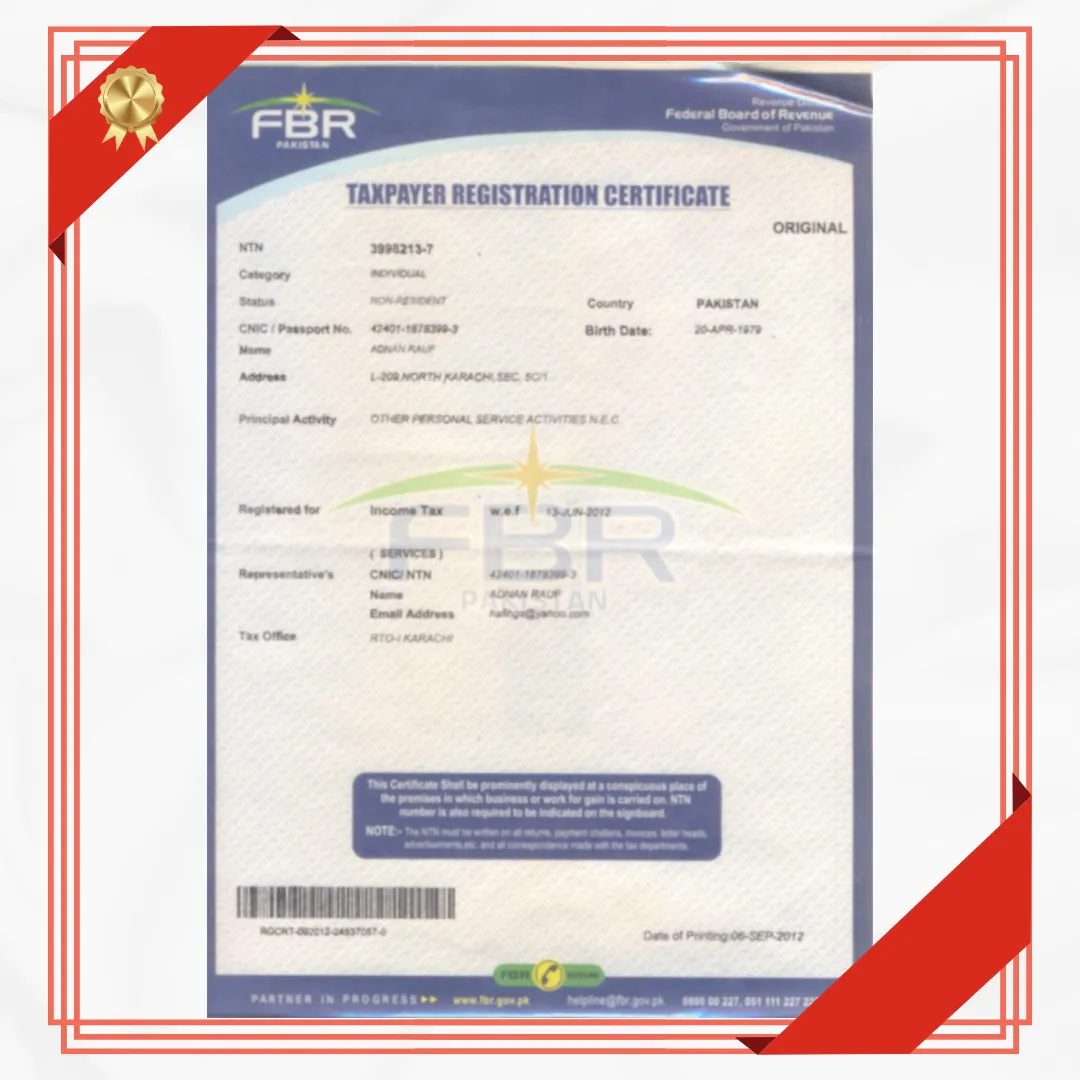
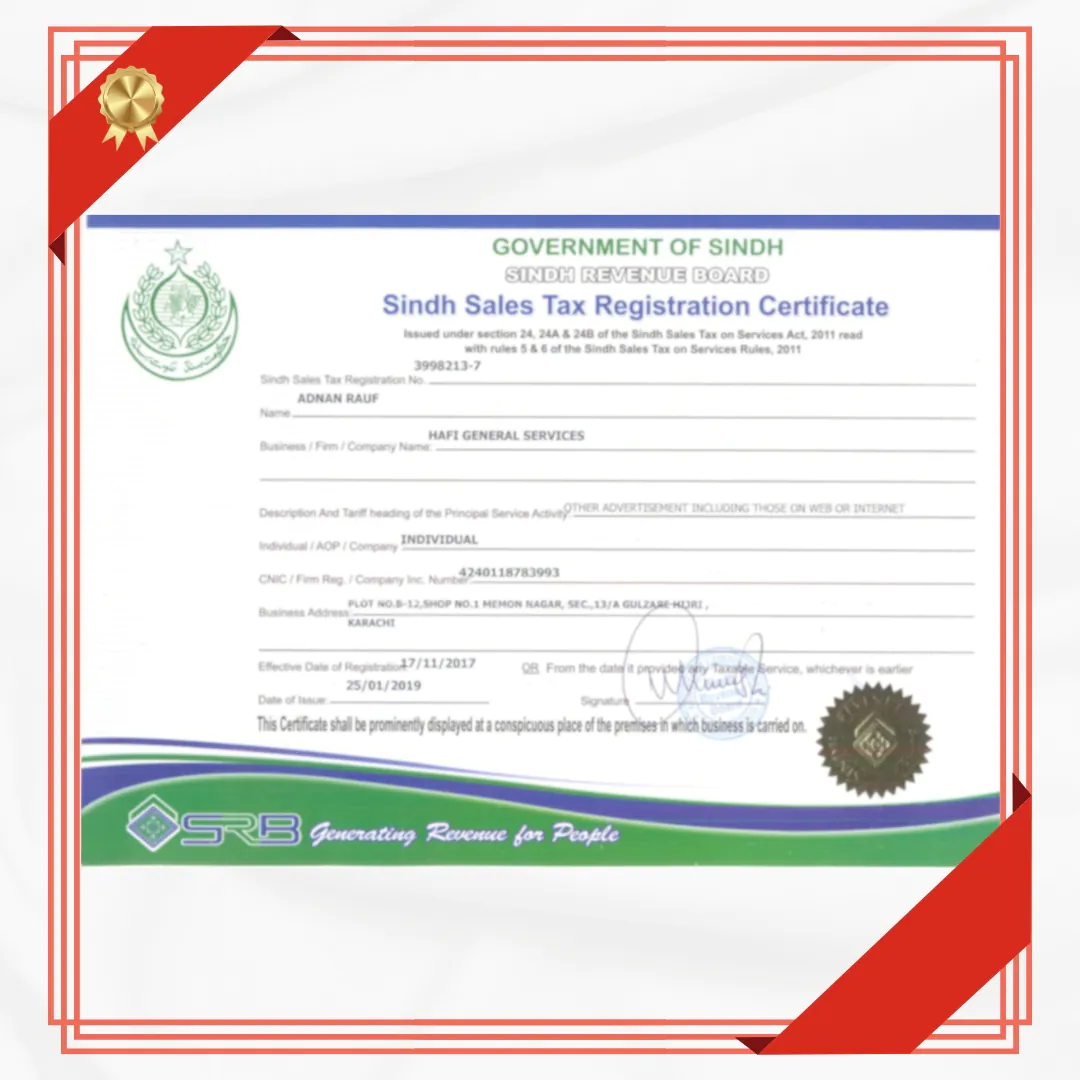
Our Certificate





Call Us Today
+92 308 2030060
We are always keen to help any individual, Business & Corporate to get rid of Pests. you can ask for Free Inspection.
What Our Clients Say About Our Services
We have almost provided all Kinds of Fumigation and Pesticide services to our clients for residential and commercial purposes.